Radiant Heating vs. Forced Air: Which System Is Best for Your Space?
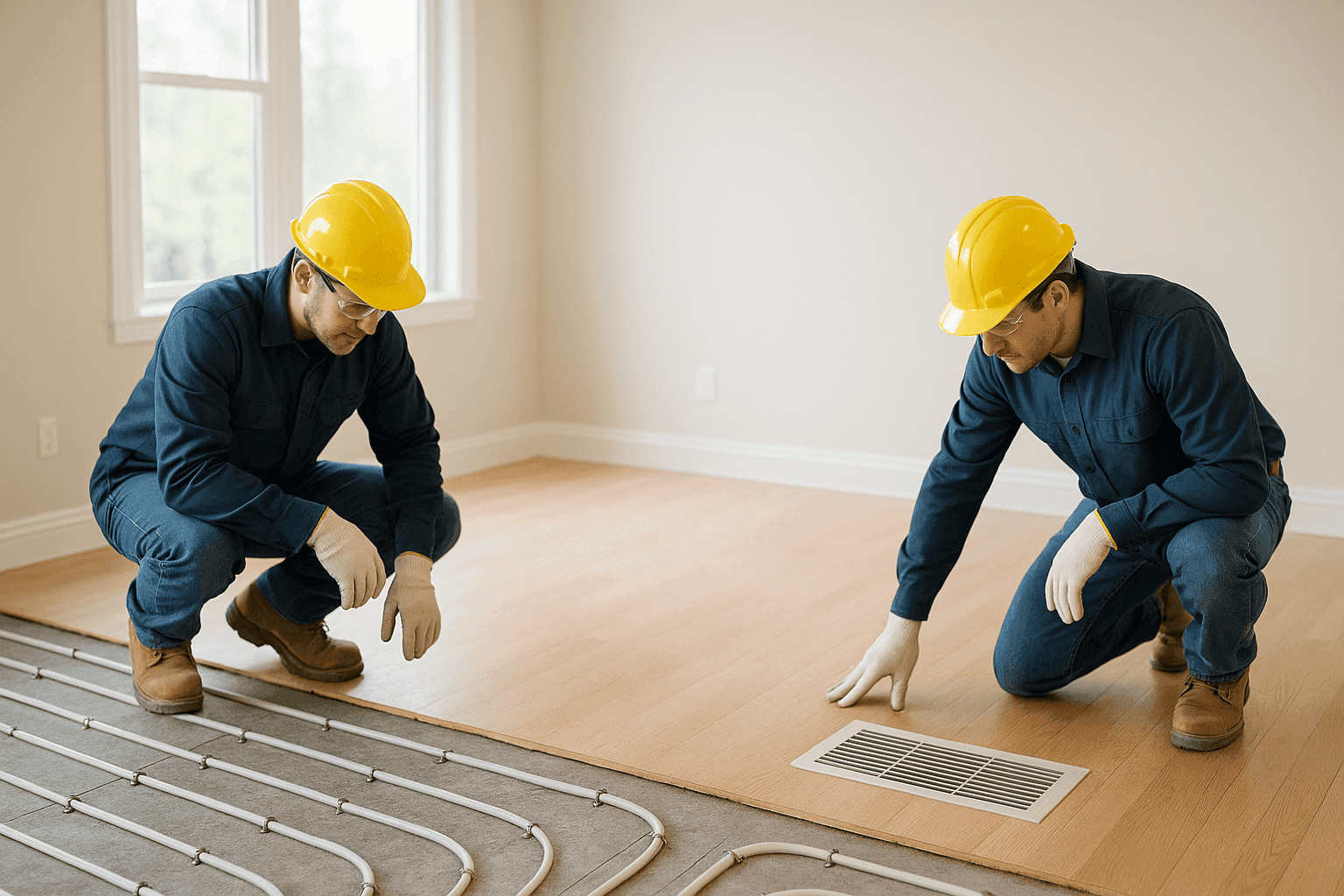
When the chill creeps in, the right heating solution makes all the difference—comfort, costs, and even the air you breathe hinge on that choice. Maybe you’re tired of uneven warmth, or you want to cut down on those energy bills. Whether you’re a homeowner or managing a commercial property, picking between radiant heating and forced air can feel like a fork in the road.
At Von’s Heating & Cooling, we know the stakes. Let’s break it down so you can make the best choice for your space—without the tech-speak or guesswork.
How Radiant Heating Works
Imagine stepping onto a sun-warmed patio in early spring. That gentle, even heat isn’t blowing around—it’s rising from beneath your feet. That’s the essence of radiant heating.
Radiant heating uses pipes or electric mats installed beneath floors, in walls, or even ceilings. Warm water or electricity flows through these hidden channels, turning surfaces into gentle heat sources. Instead of blasting warm air, radiant systems transfer heat directly to objects and people—like sunlight streaming through a window.
Key Features of Radiant Heating
- Even, consistent warmth—no hot or cold spots.
- Silent operation—no humming vents or buzzing fans.
- No moving air—less dust and fewer allergens stirred up.
- Works well with many floor types—tile, concrete, even some wood.
Industry standards, such as those from the American Society of Heating, Refrigerating and Air-Conditioning Engineers (ASHRAE), emphasize the comfort benefits of radiant systems—particularly in spaces with high ceilings or open layouts.
Benefits and Drawbacks of Forced Air
Forced air is the old reliable—a system most people know well. It works by heating air in a furnace or heat pump, then pushing that air through a network of ducts, vents, and returns. It’s fast, familiar, and flexible.
What Forced Air Brings to the Table
- Quick temperature changes—heat or cool your space in a hurry.
- Centralized filtration—great for adding air scrubbers, dehumidifiers, and advanced filters.
- Easy add-ons—humidifiers, smart thermostats, and even zoning for different rooms.
But every coin has two sides:
- Air movement means dust—and allergens, if filters aren’t changed often.
- Noise can be an issue—especially with older or poorly balanced ductwork.
- Uneven heat—sometimes you get hot ceilings and cold floors.
The U.S. Department of Energy notes that duct losses can account for over 30% of energy consumption in forced air systems if not maintained properly. That’s like leaving a window open all winter.
Cost and Installation Considerations 💡
Sticker shock is real, and there’s no sense pretending otherwise. Installation costs, ongoing maintenance, and long-term energy use all matter.
Initial Installation
- Radiant heating often costs more upfront. You’ll need to install piping or electric mats—best done during new construction or major renovations. Retrofitting can mean tearing up floors.
- Forced air is usually quicker and less invasive, especially if ducts already exist. For new builds or big remodels, ductwork adds to the price tag.
Maintenance Costs
- Radiant systems have fewer moving parts. Once installed, they can hum along quietly for years with little attention—just keep an eye on your boiler or heat source.
- Forced air demands regular filter changes, duct cleaning, and check-ups to keep things running smoothly.
Energy Efficiency
- Radiant heat shines in efficiency, especially in tight, well-insulated buildings. No ducts means less heat lost on the way to you.
- Forced air can be efficient too—but only when ducts are sealed and insulation is up to par.
According to ENERGY STAR® guidelines, either system can be efficient if properly sized and maintained.
Which System Is Right for You? 🏠
There’s no one-size-fits-all. The best choice depends on your building, your needs, and your budget.
Consider These Questions
- Do you have allergies? Radiant heat wins for indoor air quality—no blowing dust or pollen.
- Are you planning a major renovation? Perfect time to install radiant. Otherwise, forced air might be less disruptive.
- Is fast heating a priority? Forced air delivers a quick blast of warmth.
- Do you want zoned comfort? Both systems can be zoned, but radiant is especially cozy in bathrooms, kitchens, and basements.
- How’s your insulation? Radiant shines in tightly sealed buildings.
Building Type Matters
- Homes with open plans, large windows, or high ceilings often benefit from radiant’s even warmth.
- Commercial spaces with frequent door openings or high traffic may lean toward forced air for rapid temperature recovery—and easy integration with ventilation.
Still not sure? A professional HVAC assessment will factor in square footage, existing infrastructure, local climate, and your unique priorities.
Comfort, Energy, and Air Quality—A Closer Look
- Radiant heating feels like the sun on your skin—gentle, even, and constant. Forced air can feel more like a gusty wind, warming you quickly but sometimes unevenly.
- Energy bills can drop with radiant if your building is well-sealed. Forced air can be efficient, but only if ducts are tight and filters are clean.
- Indoor air quality often improves with radiant, since there’s less air movement—and less dust, dander, or mold circulating.
ASHRAE and ENERGY STAR® both recommend annual maintenance to keep any system running safely and efficiently.
Maintenance Needs: What to Expect
Radiant Heating
- Annual checks for leaks, pressure, and the heat source (boiler or electric).
- Occasional inspections recommended by manufacturer or local code.
Forced Air
- Change filters every 1–3 months.
- Annual duct cleaning and inspection.
- Regular thermostat calibration and system balancing.
Sticking to a schedule (set a reminder!) helps prevent surprise repairs and keeps energy use in check.
Action Steps: Ready to Assess Your Property?
- Walk your space: Notice cold spots, drafts, or uneven warmth.
- Check your insulation: Well-insulated spaces get more out of radiant heating.
- Look at your infrastructure: Existing ducts? Forced air is simpler to upgrade.
- Consider your needs: Allergy relief, fast heating, or long-term savings?
- Get a professional assessment: A certified HVAC pro will measure, test, and recommend the right fit.
Be sure any contractor follows local codes—like those set by the International Code Council (ICC) and your city’s building department.
When to Call for Professional Advice
- Planning a remodel or addition? Now’s the time to weigh your options.
- Noticing rising energy bills or uneven comfort?
- Concerned about indoor air quality?
A licensed HVAC specialist can test your space, explain the pros and cons in plain English, and help you avoid costly mistakes.
Frequently Asked Questions
Can radiant heating be installed in existing homes?
Yes—but it’s easier during renovations. Retrofitting means pulling up floors or opening walls, which adds to costs.
Is forced air always louder than radiant?
Forced air systems use fans and blowers, so there’s some noise. Radiant systems are nearly silent—no fans, no moving air.
Which system is better for allergies?
Radiant heating is typically better since it doesn’t blow dust or pollen around. Forced air can be improved with HEPA filters and air scrubbers.
How long do these systems last?
With regular maintenance, radiant heating can last 20–35 years. Forced air furnaces and ductwork often last 15–25 years.
Local and Seasonal Considerations
If you live in a climate with long, cold winters, radiant heating can offer ongoing comfort—especially in rooms with tile or concrete floors. In milder climates, forced air may be more practical, especially if you already use central air conditioning.
Commercial properties with high ceilings, open doors, or variable occupancy often need the speed and flexibility of forced air. For homes or offices seeking whisper-quiet, even comfort, radiant is hard to beat.
Remember: every building is different. The right system is the one that fits your life, your budget, and your goals for comfort and efficiency.
Ready to talk about the best heating system for your space? Call Von's Heating & Cooling now — or reach us anytime at 844-219-0444 .