Geothermal HVAC: Costs, Savings, and How It Works
Is your energy bill making you sweat, even in mid-winter? Do you want better comfort without the guilt of a big carbon footprint? At Von's Heating & Cooling, we get it. Today, more homeowners and businesses are eyeing geothermal HVAC as the gold standard for efficient, low-impact comfort. But is it right for you?
Let’s break down what geothermal really costs, how it works, and if the savings and peace of mind are worth the leap.
Why Geothermal? And Why Now?
Picture this: Instead of fighting the weather, you’re working with it. Geothermal HVAC pulls heat from the steady temperature below the earth’s surface—like borrowing a neighbor’s warm mug instead of boiling your own water. Unlike traditional gas or electric systems, geothermal uses what’s already there.
But is all the buzz justified? Let’s dig into the details.
How Does Geothermal HVAC Work?
Geothermal HVAC is less about fancy tech, more about clever use of nature. Here’s the gist:
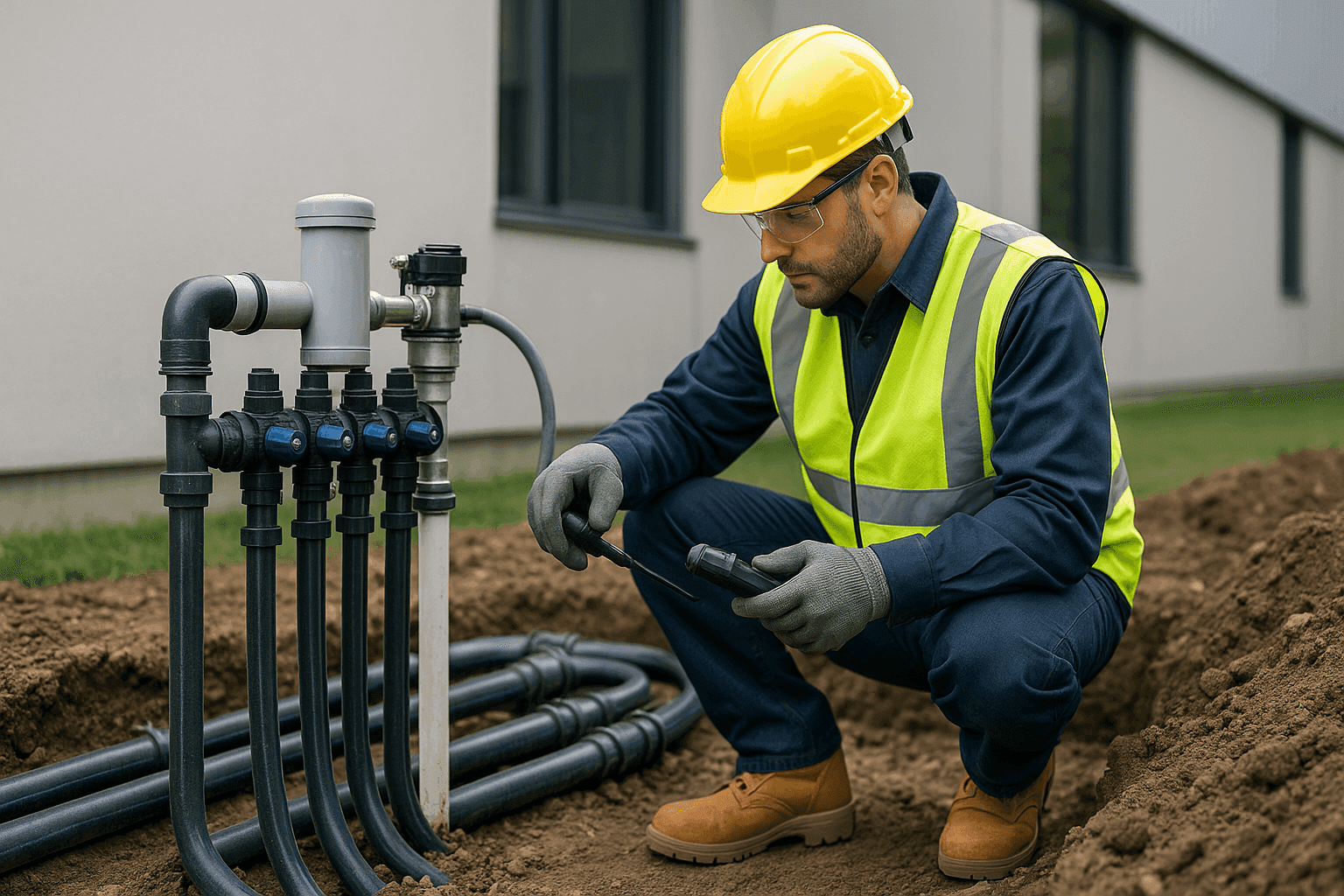
- Heat Exchange Loops: Pipes are buried underground—either horizontally or vertically—filled with water or antifreeze. These loops collect stable underground temperatures.
- Heat Pump: Inside your home or business, a geothermal heat pump moves heat from the ground into your building during winter, and in reverse during summer.
- Distribution: The system connects to familiar ductwork, radiant heating, or mini-splits. You feel the same comfort, just sourced differently.
Think of it as a reverse refrigerator. Instead of dumping heat outside, it borrows thermal energy from the earth.
Quick Safety Checklist Before You Start ⚠️
Before digging or drilling, always:
- Check local codes and permitting (per U.S. Department of Energy guidelines).
- Confirm there are no buried utilities where loops will go.
- Use a licensed, certified HVAC contractor for installation.
- Ask for proof of insurance and references.
- Ensure all electrical connections meet National Electrical Code (NEC) standards.
- Inspect for proper loop antifreeze mixtures (per manufacturer specs).
Geothermal: DIY vs. Call a Pro
Installing a geothermal system isn’t like swapping out a thermostat. It’s more like major surgery for your yard and HVAC. Here’s why:
DIY Risks:
- Improper loop installation can lead to leaks, system failure, or even ground contamination.
- Most warranties require professional installation.
- State and federal incentives often demand certified installers.
When to Call a Pro:
- Sizing the system to your property’s unique heating and cooling load.
- Handling permits and inspections.
- Ensuring safe refrigerant handling and electrical work.
Bottom line: For geothermal, professional installation isn’t just recommended—it’s required for safety, code compliance, and long-term peace of mind.
What HVAC Pros Do on Arrival
When you call Von’s Heating & Cooling, here’s what to expect:
- Site Assessment: Measuring your lot, soil type, and home or building size. Clay, sand, and rock affect loop length and design.
- Load Calculation: Using industry standards (like Manual J) to determine your exact heating and cooling needs.
- System Design: Deciding between horizontal, vertical, or pond/lake loops based on property and budget.
- Permits & Planning: Handling paperwork, code compliance, and scheduling.
- Installation: Careful digging, loop placement, backfilling, and connecting everything to your new or existing HVAC distribution.
- Testing & Commissioning: Verifying flow rates, refrigerant levels, and system balance for peak performance.
Prevention & Maintenance for Geothermal HVAC
Geothermal systems are refreshingly low-maintenance, but not “set it and forget it.” Regular HVAC maintenance keeps things humming:
- Annual System Check: Inspect pumps, compressors, and loop pressures.
- Filter Changes: Regularly swap filters for best air quality and efficiency.
- Loop Inspection: Look for leaks or pressure drops, especially after heavy ground movement or landscaping.
- Thermostat Calibration: Ensure accurate temperature readings.
- Duct Cleaning (if applicable): Keeps airflow strong and clean.
According to the International Ground Source Heat Pump Association, well-maintained systems can last 25+ years for the indoor unit and up to 50 years for the ground loop.
Geothermal HVAC Costs & Time Factors
Let’s talk numbers—without the sticker shock. Geothermal’s up-front cost is higher than conventional systems, but the payoff is in the long game.
Up-Front Investment
- Residential: Typically $18,000–$35,000 (installation, equipment, ground loops)
- Commercial: $40,000+ and up, depending on size and complexity
What impacts cost:
- Property size (bigger = more loops)
- Soil and rock type (hard rock = higher labor)
- Loop type (vertical costs more than horizontal)
- Distance to water source (if using a pond/lake loop)
- Existing vs. new construction
Maintenance Costs
- Annual maintenance is similar to standard HVAC—typically a few hundred dollars per year.
- Fewer moving parts mean fewer breakdowns and repairs.
Utility Savings
- Most homeowners see 30–70% lower heating and cooling bills (per U.S. Environmental Protection Agency).
- Typical payback: 5–10 years, sometimes faster with high energy prices or large properties.
Incentives & Rebates
- Federal tax credits (consult IRS guidance for current rates)
- State and local incentives (check DSIRE database for up-to-date programs)
- Some utilities offer rebates for high-efficiency HVAC
Life Expectancy
- Indoor heat pump: 20–25 years
- Ground loop: 40–50+ years
This long lifespan means you’ll likely only replace the heat pump once during your ownership.
When Geothermal is an Emergency (and When It’s Not)
Geothermal systems are known for reliability. But emergencies can happen:
- No Heat/No Cool: Usually caused by pump failure, thermostat issues, or electrical faults.
- Loop Leak: Rare, but can cause system shutdown.
- Power Loss: Backup generators can help keep systems running during outages.
If your geothermal system quits during extreme weather, call for 24-hour emergency HVAC service right away. A quick response keeps your space (and pipes) safe.
Geothermal HVAC FAQ
Will geothermal work for my property?
Most sites are suitable, but best results come with adequate yard space or access for drilling. Soil type and bedrock depth can affect installation.
Is geothermal noisy?
No. Geothermal systems are among the quietest HVAC options. The noisy outdoor condenser is gone; most of the magic happens underground.
Can geothermal heat water, too?
Yes! Many systems include “desuperheaters” for free or low-cost hot water alongside heating and cooling.
Is geothermal safe?
Absolutely, when installed to code. All refrigerant and electrical work must meet local and national standards. Always use a licensed HVAC pro.
Local & Seasonal Considerations 🌦️
Geothermal HVAC is a great fit for both residential and commercial properties—especially in regions with wide temperature swings. It’s also compatible with radiant heating, mini-splits, and whole-house fans. Even in tough winters or hot summers, underground temperatures remain steady, so efficiency doesn’t dip like traditional systems.
Seasonal maintenance—like filter replacement and system checks—keeps everything running smoothly. In areas with high humidity, pairing with dehumidifiers or air scrubbers can boost indoor air quality.
Common Misconceptions About Geothermal
Let’s clear the air:
- Myth: Geothermal is only for new construction.
- Fact: Retrofits are common. Existing homes and businesses can upgrade with the right site and design.
- Myth: It’s too expensive to ever pay off.
- Fact: With energy savings and incentives, most owners see payback in less than a decade.
- Myth: Not reliable in very cold or hot climates.
- Fact: Underground temps stay stable year-round, making geothermal dependable everywhere.
Is Geothermal HVAC Right for You?
Geothermal isn’t a one-size-fits-all solution. It’s a smart investment if you plan to stay long-term, value lower utility bills, and want a smaller environmental footprint. Property size, soil, and budget all play a role. If you want to explore if geothermal, radiant heating near you, or other energy-saving options fit your needs, a professional assessment is your best first step.
Ready to find out if geothermal is a match for your property and goals?
Call Von's Heating & Cooling now — or reach us anytime at 844-219-0444 .