Mini-Split Systems: When to Choose Ductless HVAC
Is your home always too hot in one room, too cold in another? Maybe you’ve added a sunroom, finished your attic, or built a quiet office above the garage. The question nags: how do you keep these unique spaces comfortable all year—without tearing up floors for ductwork or installing another noisy window unit?
At Von's Heating & Cooling, we know the maze of choices in hvac can feel overwhelming. Let’s break down mini-split systems in plain language—so you know exactly when to choose ductless.
The Problem: Where Do Mini-Splits Make Sense? ❄️
Mini-split systems (sometimes called ductless HVAC) shine in places where traditional central systems just don’t fit. Picture this:
- You’ve finished a basement, but ductwork would eat up headroom.
- Your home office is always stuffy, far from the main thermostat.
- You’re renovating a historic home and want to avoid tearing into walls.
- Your business needs to keep a server room cool, even when the rest of the building is toasty.
In these cases, a mini-split can be your ace in the hole. It delivers targeted heating or cooling, no ducts required.
How Mini-Split Components Work
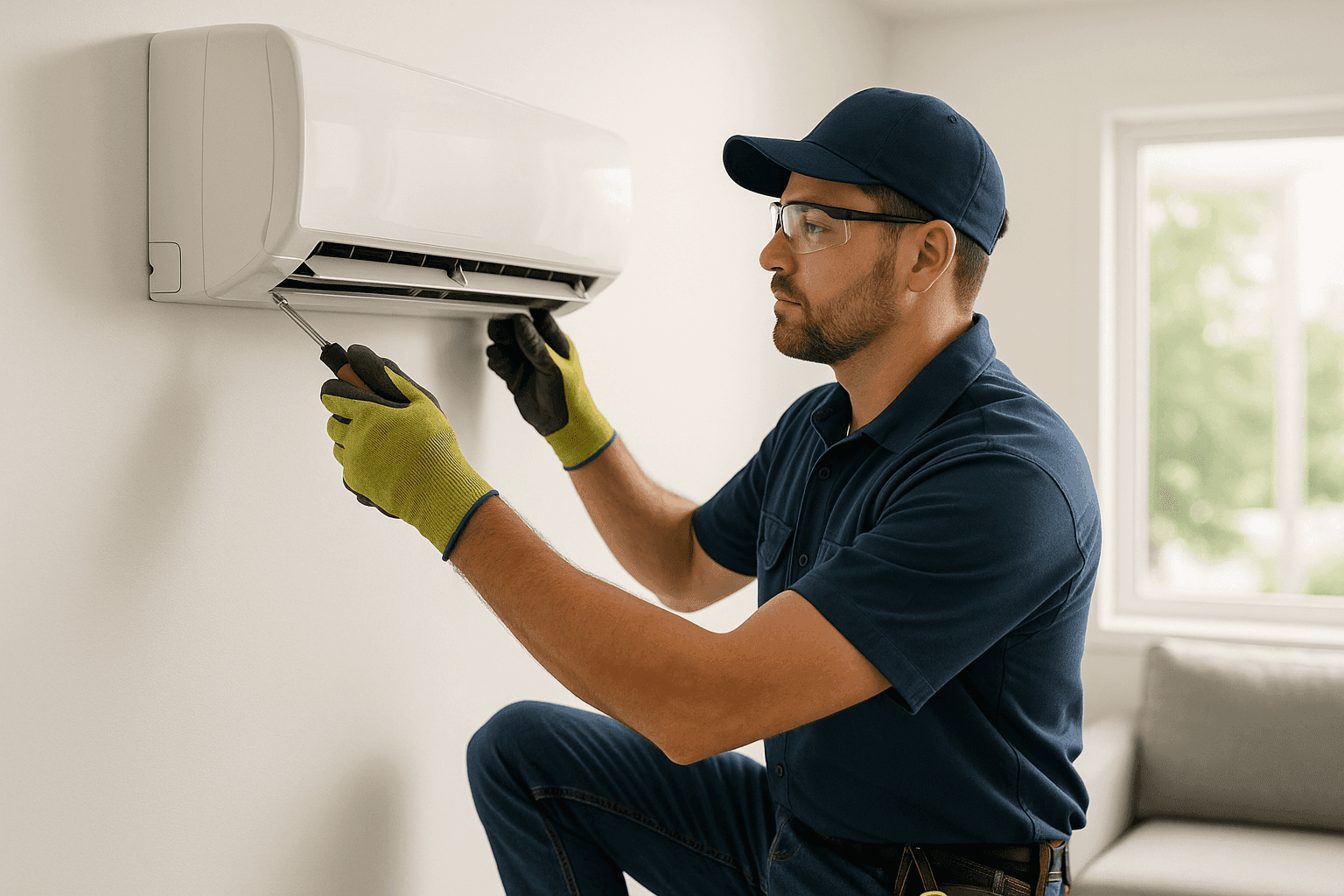
A mini-split has two main parts: an outdoor compressor and one or more indoor air handlers. These connect by a slim bundle of cables and refrigerant lines—just a small hole in the wall, not a major renovation.
Each indoor unit serves a zone: a bedroom, a sunroom, a quiet conference space. You control them separately. Think of it like having a personal comfort dial for every important space.
When to Consider Mini-Split Installation
Mini-splits aren’t a universal fix, but they’re ideal for certain scenarios:
- Home additions, garages, or attics with no existing ducts.
- Older homes where installing ductwork is costly or impractical.
- Businesses with spot cooling needs (like kitchens or server rooms).
- Multi-family properties or apartments where tenants control their own climate.
- Homes with radiant heating near you that need extra cooling in summer.
If you’re tired of window units or portable heaters, mini-splits can offer a quieter, more efficient solution.
Quick Safety Checklist Before You Decide
- Is your electrical panel up to code? (Check with a licensed electrician.)
- Do you have clear wall space for the indoor unit?
- Will the outdoor compressor have proper airflow and clearance?
- Is there risk of drilling into water, electrical, or gas lines?
- Are you following manufacturer and local building codes?
When in doubt, have a qualified hvac technician from Von's Heating & Cooling assess your space.
DIY vs. Call a Pro
It’s tempting to try a DIY mini-split installation. After all, some units are marketed as “plug and play.” But a professional brings more than tools.
Risks of DIY
- Improper refrigerant handling can be dangerous and illegal.
- Incorrect sizing can leave you sweating (or shivering).
- Poor installation increases energy bills and shortens system lifespan.
What a Pro Offers
- Load calculations to size the unit right for your space.
- Safe, code-compliant electrical and refrigerant work.
- Clean, secure mounting for long-term reliability.
Our team at Von's Heating & Cooling handles everything from start to finish, so you don’t have to worry about surprises.
What Pros Do On Arrival
Here’s what happens when a certified technician arrives:
- Assess your space and discuss comfort goals.
- Calculate the right system size using Manual J (the industry standard).
- Recommend the best placement for indoor and outdoor units.
- Install lines, mount the units, and verify all safety codes.
- Test the system for leaks, airflow, and correct operation.
- Show you how to use remotes, set schedules, and maintain your system.
Comparing Mini-Splits to Central HVAC
Wondering if a mini-split is better than traditional central air? Each has strengths:
Mini-Splits:
- No need for ducts—great for additions and retrofits.
- Zoned comfort: heat or cool only the rooms you use.
- Often more energy-efficient for smaller spaces.
- Quiet operation.
Central HVAC:
- Best for whole-house, open-plan layouts.
- Integrates with existing ductwork.
- Can include whole-house filtration and humidity control.
If your ducts are leaky or your layout is complex, mini-splits can save you money and hassle.
Energy Efficiency & Zone Control
Mini-splits are like turning off the lights in rooms you’re not using. They let you heat or cool only where you need, slashing wasted energy. Many units earn ENERGY STAR® ratings for efficiency.
Zoned control also means happier households—no more arguing over the thermostat! And in commercial spaces, you can keep equipment rooms or offices at their own ideal temperature.
Maintenance Needs: How to Keep Things Running
Mini-split systems are reliable, but they aren’t “set it and forget it.” Here’s how to keep yours humming:
- Clean or replace filters monthly, especially if you have pets or allergies.
- Check outdoor units for leaves, snow, or debris.
- Wipe indoor vents gently to prevent dust buildup.
- Schedule a professional checkup once a year—like a wellness visit for your comfort system.
Skipping maintenance can lead to higher bills and early breakdowns, so make it part of your regular routine.
Troubleshooting Common Mini-Split Issues
Even the best systems can hit a snag. Here’s what to watch for:
- Unit won’t turn on: Check the circuit breaker and remote batteries.
- Weak airflow: Clean or replace filters; make sure nothing blocks the vents.
- Water leaks: Indoor units may drip if the drain is clogged or the unit isn’t level.
- Strange noises: Rattling or buzzing could mean loose parts or debris.
If problems persist, don’t ignore them. Call a qualified hvac technician before a small issue grows into a costly repair.
Prevention & Maintenance
Just like changing the oil in your car, routine mini-split care pays off over time:
- Dust and vacuum around the indoor unit.
- Clean filters monthly (or as recommended by the manufacturer).
- Inspect outdoor units for weeds or blockages.
- Check for refrigerant leaks—a pro can do this safely and legally.
A properly maintained system lasts longer, runs quieter, and uses less energy.
Costs & Time Factors
Mini-split installation costs and times vary based on:
- Number of indoor units (zones).
- Size and layout of your space.
- Electrical upgrades or panel work required.
- Brand and efficiency rating of the system.
Most projects take a day or two for a single-zone system. Multi-zone or complex jobs can take longer. While the up-front investment can be higher than window units, the energy savings and comfort often pay off in the long run.
When It’s an Emergency
Sometimes, it’s not just about comfort—a failed system puts sensitive electronics, server rooms, or even health at risk. If you notice:
- Complete loss of heat/cooling with no backup.
- Electrical smells, smoke, or burning.
- Persistent water leaks or electrical shorts.
That’s when you need 24-hour emergency service. Von's Heating & Cooling responds quickly to keep you safe and comfortable.
FAQ: Common Mini-Split Questions
Can mini-splits heat and cool?
Yes. Most models are heat pumps, offering both functions for year-round comfort.
Do mini-splits improve indoor air quality?
Many include advanced filtration. Regular filter changes are key. For extra protection, consider pairing with air scrubbers or dehumidifiers.
Are mini-splits noisy?
Indoor units are whisper-quiet, far quieter than window ACs. Outdoor compressors are designed for low noise as well.
How long do mini-splits last?
With routine maintenance, expect 12–20 years of dependable service.
Local and Seasonal Considerations 🌦️
Mini-splits work well in most climates, but extreme cold may affect heating performance. Always choose a system rated for your area’s weather, and consider backup options like radiant heating near you for bitter winters.
For allergy season or high humidity, pair your mini-split with indoor air quality testing or dehumidifiers—services Von's Heating & Cooling provides for both homes and businesses.
When to Call a Technician
If your comfort is suffering, your energy bills are rising, or you simply want to explore ductless options, it’s time to call in the pros. Certified hvac technicians at Von's Heating & Cooling bring experience, safety, and peace of mind to every job.
Call Von's Heating & Cooling now — or reach us anytime at 844-219-0444 .