Radiant Heating Systems: Benefits, Installation, and Maintenance
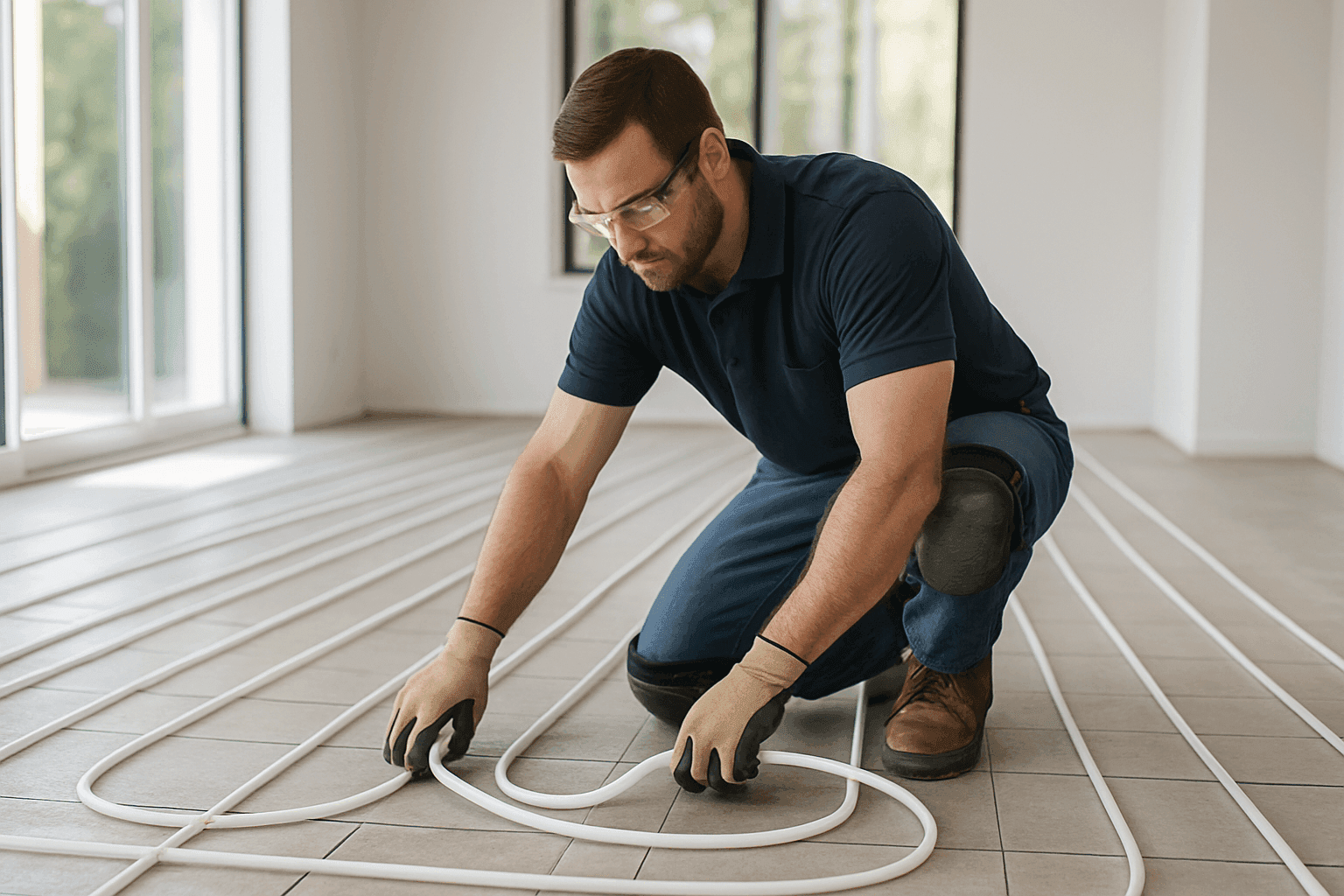
Is your home always chilly, no matter how high you crank the thermostat? Or maybe your business needs steady, comfortable warmth—without the dry air or noisy blasts of a forced-air system. Radiant heating might be the answer you’ve been searching for.
At Von's Heating & Cooling, we’ve helped countless homeowners and businesses enjoy reliable, efficient warmth. Let’s break down what radiant heating is, why it’s different, and how you can make the most of it for years to come.
What Is Radiant Heating—and Why Is It Different?
Imagine the gentle heat from sunlight streaming through a window. That’s radiant warmth—a direct, even comfort that seeps into your bones. Radiant heating systems work on this same principle: instead of blowing warm air, they heat objects and surfaces like floors or walls, which then warm the room.
Radiant vs. Forced-Air: The Key Differences
- Heat Distribution: Forced-air systems pump warm air through ducts. Radiant systems heat the floor, walls, or ceiling, which then radiate warmth evenly.
- Air Quality: No ducts mean less dust, pollen, or allergens circulating.
- Noise: Radiant systems work silently, without the whoosh or hum of fans.
- Efficiency: Because they heat objects (not just air), radiant systems often feel warmer at lower thermostat settings.
Radiant heating can be installed beneath floors, behind walls, or even in ceilings. It’s versatile—great for homes, offices, or even garages.
Quick Safety Checklist for Radiant Heating Systems 🔥
Before installing or maintaining any hvac solution, safety comes first. Here’s what to keep in mind:
- Check local building codes—requirements can vary. The International Residential Code (IRC) has standards for radiant systems.
- Ensure proper electrical and plumbing connections (especially for hydronic systems).
- Use only manufacturer-approved materials and controls.
- Schedule regular inspections—especially before winter.
- Keep combustibles away from heating surfaces.
- Confirm that circuits and thermostats are functioning properly.
- Hire a licensed pro for installation and major repairs.
DIY vs. Call a Pro: What’s Best for Radiant Heating?
Maybe you’re handy with tools. Maybe not. But radiant heating isn’t your average weekend project.
When DIY Might Work
- Small repairs, like replacing a thermostat battery.
- Checking visible connections for dust or debris.
When to Call a Pro
- Installation—especially if it means pulling up flooring or working with electrical/hydronic systems.
- Diagnosing uneven heating, leaks, or electrical issues.
- Annual maintenance and system flushes.
Radiant heating is a bit like the wiring behind your walls—hidden, but crucial. A misstep can mean water damage, electrical problems, or even voided warranties.
What Pros Do On Arrival
When a Von's Heating & Cooling technician visits, here’s what you can expect:
- Assessment: We check the system’s age, type (electric or hydronic), and your space’s insulation.
- Thermal Imaging: Sometimes, we use special cameras to spot cold spots or leaks under floors.
- Pressure & Flow Checks: Especially for hydronic systems, we ensure water pressure and flow are within safe limits.
- Thermostat Calibration: Ensuring your system responds accurately.
- Cleaning & Inspection: We look for blockages, corrosion, or wear and tear.
- Code Compliance: We verify your system meets local safety codes (like the National Electrical Code or ASHRAE standards).
Prevention & Maintenance: Keeping Radiant Heating Healthy
A little care goes a long way. Here’s how to keep your system efficient and long-lasting:
- Annual Inspections: Book a professional checkup before the heating season.
- Flush Hydronic Systems: Over time, mineral deposits can build up. Flushing keeps water flowing smoothly.
- Check for Leaks: Especially with hydronic systems, look for any signs of water where it shouldn’t be.
- Test Controls: Make sure thermostats and safety shut-offs work properly.
- Clean Surfaces: If you have exposed radiant panels, keep them dust-free for optimal performance.
- Monitor for Cold Spots: Uneven heating can mean air in the lines or a blocked circuit.
Costs & Time Factors: What to Expect
Radiant heating is an investment—like a new roof or windows. Here’s what affects cost and installation time:
- System Type: Electric systems are often quicker to install but may cost more to run. Hydronic (water-based) systems are more efficient but require plumbing work.
- Space Size: Larger spaces take longer to retrofit.
- Flooring: Tile, stone, and concrete work well. Carpeting can insulate against heat transfer.
- Accessibility: New builds are simplest. Retrofitting an existing home or commercial space takes more time.
- Labor: Professional installation ensures safety and code compliance, but adds to costs.
- Maintenance: Yearly checkups are affordable and help prevent costly breakdowns.
Most homes and small businesses see installation times from a few days to a week. Maintenance visits are usually quick—an hour or two, once a year.
When It's an Emergency
Radiant heating rarely fails suddenly, but it can happen. Warning signs include:
- No heat in one or more zones.
- Water leaks (for hydronic systems).
- Burning smells or electrical issues.
- Strange noises from the boiler or controls.
- Rapid spikes in energy bills.
If you notice these, turn off your system and call a licensed hvac professional right away. Water leaks can cause major damage, and electrical problems are never safe to ignore.
FAQ: Common Questions About Radiant Heating
How does radiant heating impact indoor air quality?
Radiant systems don’t use ducts or blow air, which means less dust, pollen, and allergens circulating. For families with allergies or asthma, this can be a big plus.
Can radiant heat work with any flooring?
Tile, stone, and concrete are ideal—they transfer heat well. Wood and laminate can work, but check manufacturer guidelines for compatible temperatures. Thick carpeting may reduce efficiency.
Are radiant systems energy efficient?
Yes! Because they heat objects and people—not just air—radiant systems often allow you to set the thermostat lower while feeling just as warm. The U.S. Department of Energy recognizes radiant heating as one of the most efficient ways to warm a building.
What maintenance does a radiant system need?
Annual professional inspections, flushing of hydronic lines, and periodic checks for leaks or cold spots. Keep thermostats calibrated and surfaces clean.
Local and Seasonal Considerations
Every region has its quirks. If you’re in an area with long, cold winters, radiant heating is a smart upgrade, offering steady warmth even at the coldest times. For milder climates, radiant floors can supplement existing hvac systems, taking the chill off early mornings or cool evenings.
Seasonal care matters too. Schedule maintenance each fall, before the first cold snap. And if your building has unique needs (like historic floors or sensitive equipment), ask about tailored solutions that meet local codes and your specific requirements.
The Bottom Line: Is Radiant Heating Right for You?
Radiant heating offers comfort you can feel in your bones. It’s quiet, efficient, and helps keep your air cleaner. But installation and maintenance require professional care—especially for larger homes or businesses.
If you’re ready to step into a home or workspace that feels cozy from the ground up, let Von's Heating & Cooling help you choose, install, and care for your radiant heating system. Stay warm, breathe easier, and enjoy even, efficient comfort—season after season.
Call Von's Heating & Cooling now — or reach us anytime at 844-219-0444 .