HVAC Maintenance Checklist: Keep Your System Running Year-Round
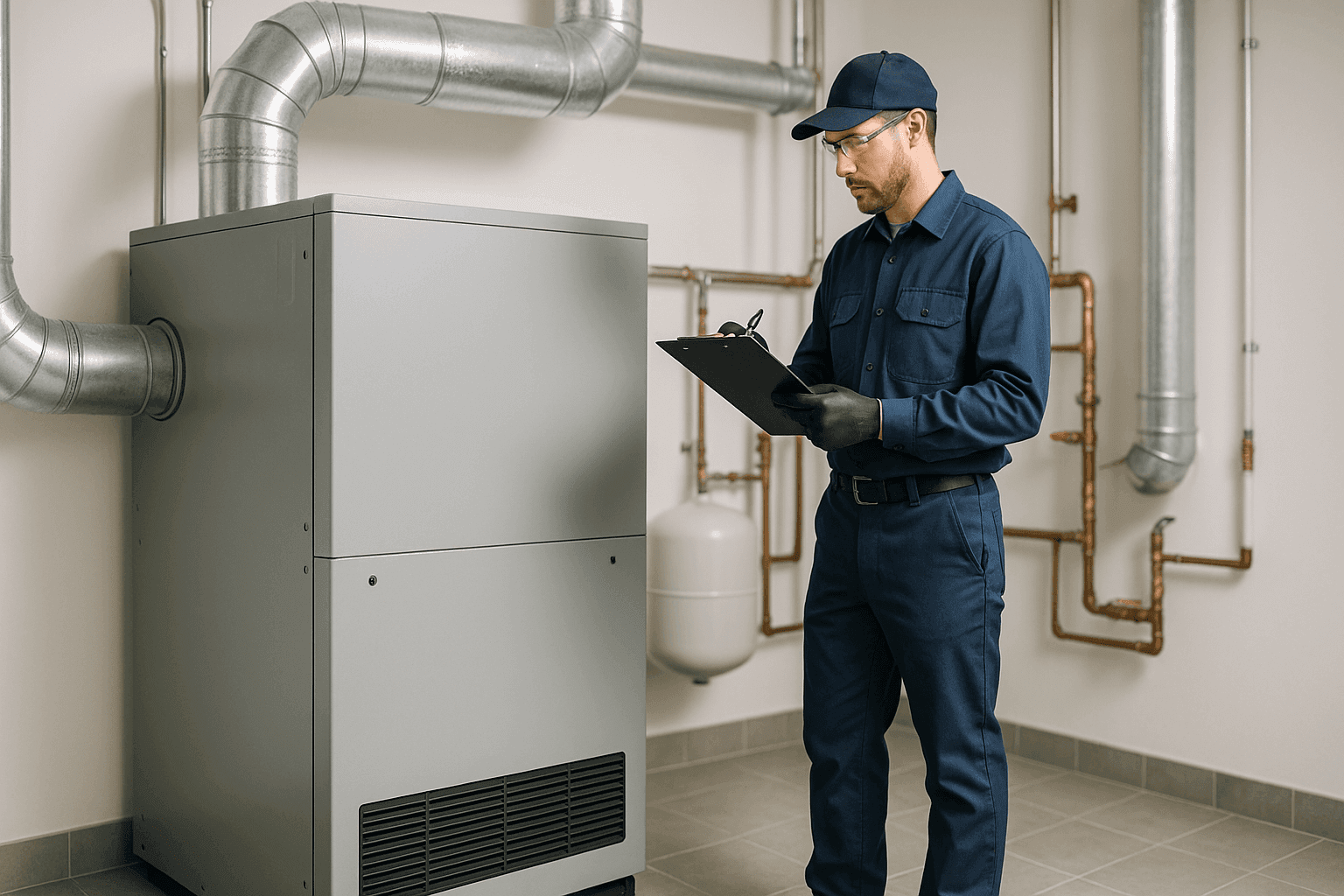
Your HVAC system is the heartbeat of indoor comfort. Whether you’re running a cozy home or managing a bustling business, a little attention now saves a ton of trouble later. Ignoring routine care is like skipping oil changes in your car—it might run for a while, but the breakdown is just a matter of time.
At Von’s Heating & Cooling, we know a well-tuned system means lower energy bills, better air, and fewer surprises. Here’s how to keep things running smoothly, all year long.
Why Routine HVAC Maintenance Matters
Picture your HVAC system as the lungs and blood vessels of your building. Filters, fans, and ducts quietly keep you breathing easy and feeling just right. But dust, weather, and wear never sleep. Over time, even the sturdiest furnace or AC can gather grime, lose efficiency, or sputter out right when you need it most.
Routine maintenance isn’t just about comfort. It:
- Cuts down on emergency repairs
- Improves indoor air quality (IAQ)
- Extends equipment life
- Keeps warranties valid (many require regular upkeep)
- Can lower your utility bills (according to ENERGY STAR)
Safety First: Quick HVAC Checklist 🛑
Before you dive in, safety comes first. Always:
- Turn off power at the breaker before touching any electrical components.
- Let hot surfaces cool before working near furnaces, radiant heating, or generator installations.
- Wear gloves and eye protection when handling filters or cleaning chemicals.
- Check for visible leaks, electrical sparks, or burning smells—call a pro if you spot any.
- Keep exits, vents, and exhausts clear (blockages can be dangerous).
Refer to your equipment’s user manual and local building codes for specifics—especially for commercial spaces.
Spring & Summer HVAC Checklist 🌤️
When the days get longer and temperatures climb, your cooling system moves to center stage. Here’s what to check:
For Homeowners & Businesses
- Replace or clean air filters (monthly or per manufacturer’s instructions). Clogged filters choke airflow and raise costs.
- Clear AC condenser coils outside. Gently hose away debris, grass clippings, or leaves.
- Check thermostat settings for accuracy. Programmable models save energy.
- Inspect refrigerant lines for signs of wear or frost.
- Open and clean floor or ceiling vents—blocked vents strain the system.
- Test mini-splits and dehumidifiers for unusual noises or weak airflow.
- Schedule professional duct cleaning if you notice dust buildup or musty smells.
- Test and reset whole-house fans before the first heatwave.
- Verify generator readiness for power outages.
Commercial Add-ons
- Inspect IAQ systems and air scrubbers for proper operation.
- Balance air distribution—hot/cold spots signal problems.
- Check rooftop units for animal nests, hail damage, or loose panels.
Fall & Winter HVAC Checklist ❄️
As the weather turns, it’s time to focus on heating and indoor air comfort.
Must-Do’s
- Replace or clean furnace filters (monthly or as needed).
- Inspect pilot lights and electronic ignitions for reliable startup.
- Test carbon monoxide (CO) detectors—required by code in many areas.
- Clean and test humidifiers to fight dry winter air.
- Check for drafts around windows/doors—seal leaks to keep heat in.
- Vacuum around radiators, baseboards, and sheet metal ducts.
- Run a heating system test: Listen for rattles, thumps, or short cycling.
- Schedule annual heating maintenance—especially for radiant heating, geothermal, and older furnaces.
For Businesses
- Inspect exhaust hoods and ventilation for grease or blockages.
- Test backup generators under load.
- Review emergency shutdown procedures with key staff.
- Document IAQ test results—critical for compliance and staff health.
DIY or Call a Pro?
Some tasks are safe for a confident DIYer. Others—not so much. Here’s how to tell:
Safe for DIY:
- Swapping filters
- Cleaning visible vent covers
- Testing thermostats
- Checking and resetting circuit breakers
Leave to Pros:
- Electrical work and wiring
- Refrigerant handling (EPA Section 608 required)
- Deep coil cleaning
- Air balancing and duct pressure testing
- Generator installation, repair, or maintenance
- Furnace repairs, especially gas or oil units
If you’re ever unsure, call for help. The risks—fire, gas leaks, or voiding your warranty—aren’t worth it.
What Pros Do When They Arrive
A qualified HVAC tech brings experience and the right tools. Here’s what a visit usually covers:
- Inspecting all system components: blower, coils, motors, belts, and controls
- Testing airflow, temperature differentials, and refrigerant levels
- Cleaning and lubricating moving parts
- Checking thermostat calibration and updating settings
- Inspecting and tightening electrical connections
- Examining ductwork for leaks or damage
- Performing IAQ testing and filter recommendations
- Documenting service for warranty or compliance records
For commercial jobs, pros may also handle air balancing, exhaust system checks, and generator load tests.
Preventative HVAC Maintenance—The Long Game
A stitch in time saves nine. Here’s how to keep your system humming for years:
- Stick to a seasonal schedule—mark your calendar for filter swaps, professional checkups, and preventative cleaning.
- Monitor energy bills—unexpected spikes often signal trouble.
- Listen for odd sounds—squeaks, bangs, or gurgles mean parts may be wearing out.
- Watch for warning signs: uneven heating/cooling, more dust, or new odors.
- Don’t skip maintenance on new systems—even radiant heating or mini-splits need regular care.
According to the U.S. Department of Energy, regular maintenance can reduce HVAC energy use by 15–20%.
Costs & Time Factors
HVAC upkeep doesn’t have to break the bank or eat your weekend. Here’s what to expect:
- Basic filter changes: 5–10 minutes, minimal cost for most filters
- DIY cleaning: 30–60 minutes for vents and coils
- Professional tune-ups: 1–2 hours for most systems; more for complex commercial units or IAQ testing
- Emergency service: May involve after-hours rates and variable repair times
Neglected systems can cost far more—both in preventable repairs and higher utility bills.
When It’s an Emergency
Storms, heatwaves, or holidays don’t wait for business hours. Here’s what to know:
- No heat in winter or no cooling in a heatwave can be a real emergency—especially for vulnerable people or sensitive equipment.
- Power outages: Test generators ahead of predicted storms. Keep fuel and maintenance records up to date.
- Strange smells (burning, gas, or chemical): Shut down the system and evacuate if needed. Call for help immediately.
- Water leaks or electrical sparks: Power off at the breaker and call a professional.
Von’s Heating & Cooling offers 24-hour emergency service—because comfort can’t always wait.
Frequently Asked HVAC Questions
How often should I really change my HVAC filter?
Most homes need a new filter every 1–3 months. Commercial spaces or homes with pets may need more frequent changes.
Is duct cleaning necessary?
If you notice visible dust, mold, or bad odors coming from vents—or after renovations—professional duct cleaning is a smart move.
What’s the life expectancy of my HVAC system?
With regular maintenance, most systems last 10–15 years. Geothermal and radiant heating systems can last longer.
Can a smart thermostat really save money?
Yes. According to the EPA, programmable or smart thermostats can cut heating and cooling costs by up to 10%.
Local and Seasonal Considerations
Every region has its quirks. Humid summers? Consider a dehumidifier. Brutal winters? Keep an eye on furnace efficiency and test your backup generator. Wildfire smoke or allergy season? Focus on IAQ testing and high-quality filters.
For commercial buildings, local codes may require more frequent checks or specific IAQ documentation—especially in food service, healthcare, or schools. Always consult your local building department or the Air Conditioning Contractors of America (ACCA) for the latest standards.
Ready to take the guesswork out of HVAC care? Call Von's Heating & Cooling now — or reach us anytime at 844-219-0444 .