Emergency HVAC Repairs: What to Do Before Help Arrives
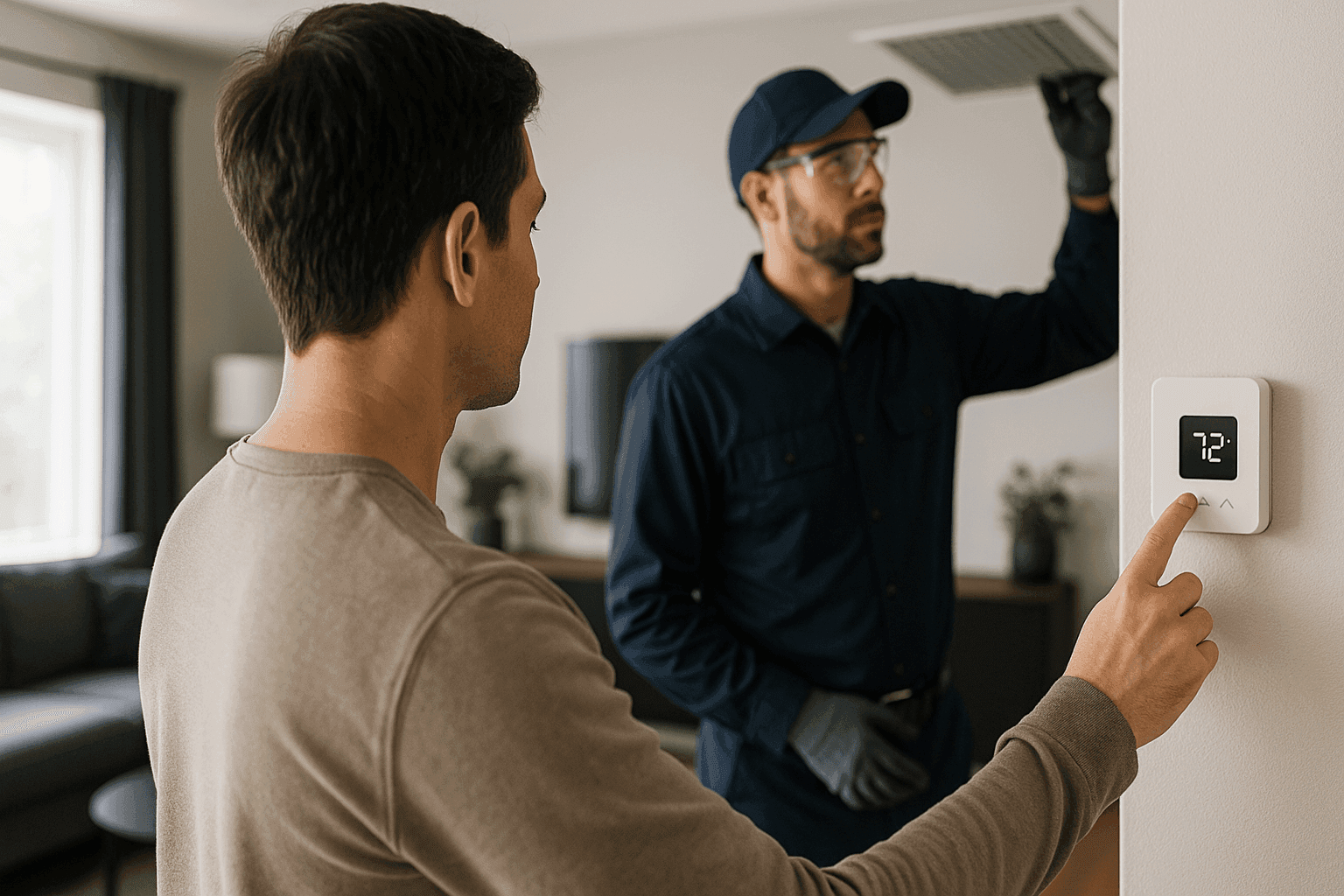
When your HVAC system suddenly goes silent, it’s like the world stops for a moment. The air gets stuffy, the temperature creeps up or down, and you feel a knot in your stomach. At Von's Heating & Cooling, we know the stress of unexpected breakdowns—especially when every minute counts.
Whether you’re at home with family or managing a business, a failed HVAC system can mean discomfort, lost productivity, or even health risks. Here’s what you can do right away, before help arrives, to stay safe and avoid bigger problems.
When the Heat or AC Quits: What’s Happening? 😬
Imagine your HVAC system as the lungs and heartbeat of your building. When it stops, everything feels off-balance. Maybe the furnace won’t start on the coldest night of the year, or the AC gives out during a summer heatwave. Sometimes it’s a sudden noise, a burning smell, or just nothing at all.
Why do HVAC emergencies happen?
- Power outages or electrical surges
- Clogged air filters or blocked vents
- Thermostat malfunctions
- Frozen coils or overheated motors
- Old or neglected equipment
Some issues are urgent—others can wait. Knowing the difference protects your safety and your wallet.
Quick Safety Checklist
Before you reach for the phone, take a breath. Check these essentials to keep everyone safe:
-
Is there smoke or a burning smell?
Turn off the system right away at the breaker. Evacuate if needed and call emergency services if you suspect fire. -
Do you smell gas?
Leave the building immediately. Call your utility provider or 911 from outside. -
Are electrical panels or wires hot, sparking, or buzzing?
Do not touch. Shut off power at the main breaker if safe. -
Is extreme heat or cold a medical risk for anyone (young children, elderly, ill)?
Move to a neighbor’s or public space if indoor conditions become dangerous. -
Is water pooling around the indoor unit or in the basement?
Turn off the system and, if safe, unplug nearby electronics.
If everything seems stable—no hazards, just no hot or cold air—move on to basic troubleshooting.
What to Check Before You Call
Just like checking if your car has gas before calling a tow truck, a few simple steps can sometimes save the day—or at least speed up repairs:
1. Check the Thermostat
- Is it set to “Heat” or “Cool” as needed?
- Is the temperature set correctly?
- Are the batteries fresh (if it’s battery-powered)?
2. Inspect the Breaker Panel
- Has a breaker tripped? Flip it fully off, then on.
- Is the HVAC switch labeled and easy to find?
3. Look at Air Filters
- Pull out the main filter—if it’s gray and dusty, replace it or clean it.
- Clogged filters can choke airflow and shut things down.
4. Examine Vents and Registers
- Are supply and return vents open and unblocked?
- Furniture or curtains can sneakily block the flow.
5. Listen and Observe
- Any new noises? Clicking, grinding, or banging?
- Water drips, puddles, or ice on pipes?
If you checked all of these and nothing changes, it’s time to call in the pros.
Should You DIY or Call a Pro?
Some fixes are as simple as changing a filter or resetting the breaker. But HVAC systems are complex—like a watch with hundreds of moving gears. Tinkering too much can turn a small problem into a disaster.
Call Von's Heating & Cooling if:
- You smell gas, burning, or see water leaks.
- The unit won’t turn on after basic checks.
- There’s no airflow from vents.
- Strange noises continue after restarting.
- You’re unsure what’s safe to try.
DIY is okay for:
- Changing filters
- Resetting the breaker
- Adjusting the thermostat
Never try to open up electrical panels, handle refrigerant, or override safety switches. The National Fire Protection Association (NFPA) and Occupational Safety and Health Administration (OSHA) recommend that only licensed technicians service HVAC electrical and refrigerant lines.
What to Tell the HVAC Pros for Faster Service
The more details you share, the faster your technician can help. Be ready to answer:
- Type of system (furnace, AC, radiant heating, mini-split)
- Age of the unit
- What happened—smells, noises, leaks, error messages
- What you’ve already checked
- Your address, phone, and best time for access
If it’s an emergency—like a total loss of heat during a winter freeze or AC in a heatwave—let us know right away. Von's Heating & Cooling offers 24-hour emergency service for both residential and commercial clients.
What the Pros Do On Arrival
When the technician arrives, here’s what usually happens:
-
Visual Inspection:
Checking for obvious hazards, leaks, or damaged parts. -
System Diagnostics:
Using meters and sensors to test voltage, pressure, and component function. -
Safety Verification:
Ensuring there are no gas leaks (per National Fuel Gas Code guidelines), electrical hazards, or carbon monoxide risks. -
Repair or Temporary Fix:
Restoring system operation or providing a safe workaround if special parts are needed. -
Clear Communication:
Explaining the problem, what was done, and next steps for long-term repair or replacement.
Staying Comfortable and Safe While You Wait
Waiting for help can feel endless, especially in bad weather. Try these tips to keep your space livable:
-
In the Cold:
- Close off unused rooms.
- Use safe space heaters (never leave them unattended).
- Layer up with blankets and warm drinks.
-
In the Heat:
- Close blinds to block the sun.
- Use fans to circulate air.
- Stay hydrated and move to the coolest part of the building.
-
During Storms or Power Outages:
- Unplug electronics to avoid surges.
- Don’t run generators indoors (risk of carbon monoxide).
Prevention & Maintenance: How to Dodge Future Emergencies
A little care goes a long way. Regular maintenance catches small issues before they spiral out of control.
- Schedule seasonal tune-ups for heating and cooling.
- Change filters every 1–3 months.
- Clean ducts and vents annually.
- Test carbon monoxide detectors per manufacturer instructions.
- Ask about IAQ (Indoor Air Quality) testing and home energy audits.
Preventive service isn’t just about comfort—it’s about safety and peace of mind.
Costs & Time Factors (Ranges, Not Quotes)
Emergency repairs can cost more, especially after hours or during holidays. Factors that affect price and repair time:
- Parts availability:
Special order parts may take a day or more. - System type and age:
Older or specialty systems (like geothermal or radiant heating near you) can be trickier. - Extent of damage:
Minor resets vs. major component failures. - Time of year:
Peak seasons (deep winter, midsummer) can mean longer waits.
While we can’t give exact figures without seeing your system, our team at Von's Heating & Cooling is committed to fair, transparent pricing and clear communication.
When It’s an Emergency (and When It’s Not) 🚨
Call for immediate help if:
- There’s no heat during a deep freeze (risk of frozen pipes or hypothermia).
- No AC during a heatwave (risk of heatstroke).
- There’s smoke, burning smells, or any sign of fire.
- You smell gas or see water leaks near electrical systems.
Not always urgent:
- Minor temperature swings
- Noises without loss of function
- Slightly reduced airflow
If you’re ever unsure, it’s better to call and ask.
FAQ: Your Emergency HVAC Questions
How fast can a technician arrive for 24-hour emergency service?
Arrival times depend on weather, traffic, and call volume. We prioritize cases involving health or safety risks first.
Can I use my generator to power the HVAC system?
Only if your generator is sized and wired for HVAC loads. Never run generators indoors or plug directly into wall outlets—this is a fire and electrocution risk per the U.S. Consumer Product Safety Commission.
Will insurance cover emergency HVAC repairs?
Some policies cover sudden failures, especially if damage leads to water leaks or property risk. Always check with your provider.
What should I do if my radiant heating stops in winter?
Turn off the system if you see leaks or hear banging pipes. Bundle up, and call for emergency service—frozen pipes can cause major damage.
Local and Seasonal Considerations
Every region faces unique challenges. Here’s what to watch for:
-
Winter Storms:
Ice and snow can block vents or damage outdoor units. Keep snow cleared away, and check exhaust pipes for blockages. -
Heatwaves:
Systems run harder and are more likely to fail. If you have a whole-house fan or dehumidifier, use them to reduce strain on the AC. -
Holiday Outages:
Holidays often mean delayed parts or slower response. Schedule tune-ups before peak seasons to avoid last-minute surprises. -
Flooding:
Water in the basement? Don’t wade in—shut off power if possible and wait for help.
Final Thoughts
An HVAC emergency can feel overwhelming, but quick, calm action makes all the difference. At Von's Heating & Cooling, we’re here 24/7 to restore your comfort and safety—no matter what the weather brings.
Call Von's Heating & Cooling now — or reach us anytime at 844-219-0444 .