Duct Cleaning: How Often, Why It Matters, and What to Expect
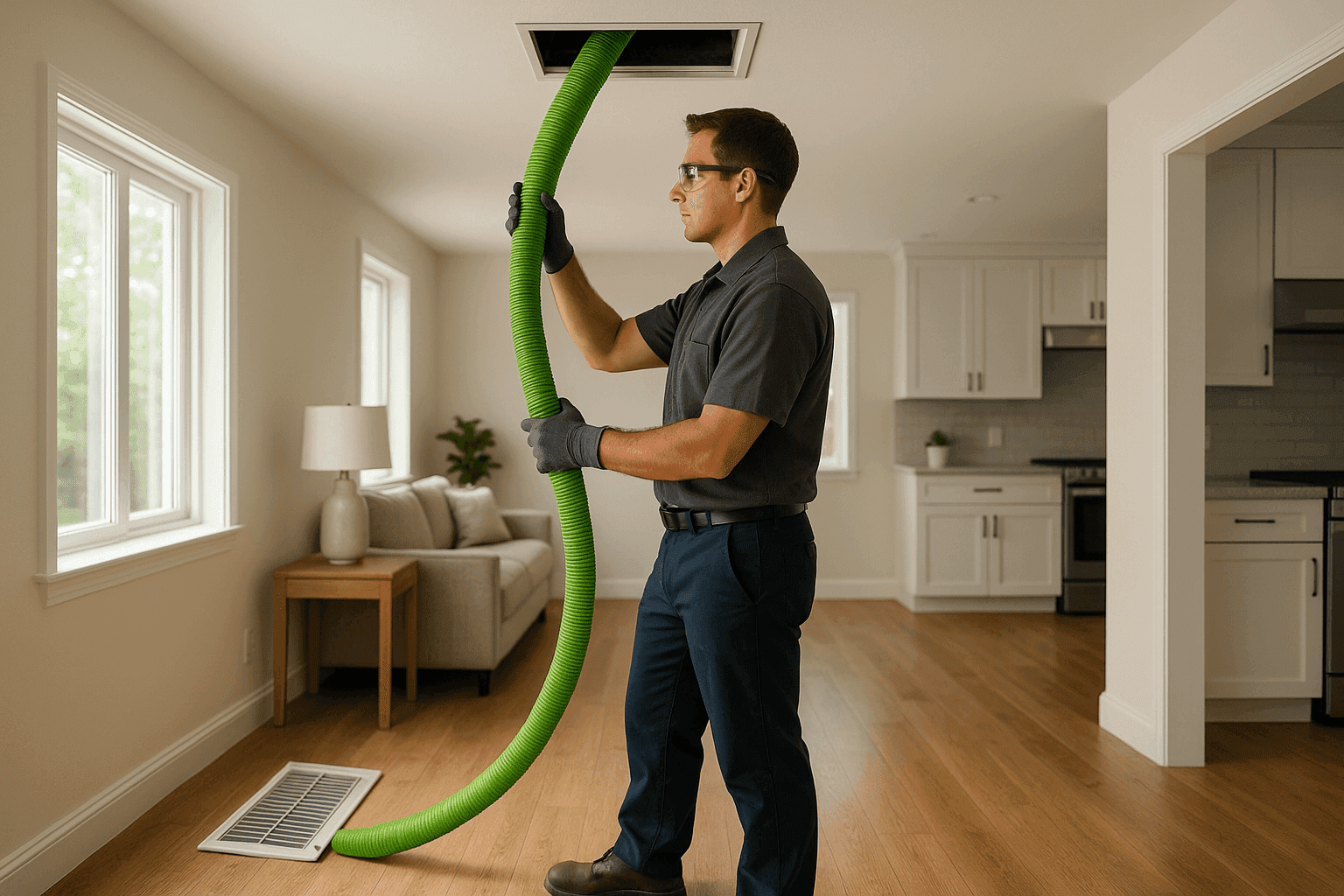
Are you noticing more dust than usual on your shelves? Are allergies flaring up or strange odors lingering in your home or business? If so, it might be time to think about your air ducts. At Von's Heating & Cooling, we understand that the air you breathe matters—and so does the health of your HVAC system.
Duct cleaning isn’t just about dust. It’s about comfort, health, and keeping your heating and cooling running smoothly. Let’s clear the air on what you should know.
Why Dirty Ducts Are a Bigger Deal Than You Think
Imagine your lungs trying to work while breathing through a straw filled with lint. That’s what your HVAC system goes through when ducts get clogged. Over time, dust, pollen, pet dander, mold spores, and even small debris collect inside your ductwork. It’s invisible, but the effects are real—especially for sensitive groups like children, seniors, and anyone with asthma or allergies.
Dirty ducts don’t just impact your health. They make your furnace, AC, or radiant heating work harder, bumping up utility bills and wearing out expensive equipment faster. According to the U.S. EPA, indoor air can be two to five times more polluted than outdoor air, largely due to contaminants cycling through dirty ventilation systems.
The Usual Suspects: Signs Your Ducts Need Attention
- Persistent dust on furniture, even after cleaning
- Worsening allergy or asthma symptoms indoors
- Musty, stale, or unusual odors when HVAC runs
- Uneven heating or cooling from room to room
- Noticeable mold or mildew around vents
If any of these sound familiar, your ducts may need a closer look.
Quick Safety Checklist Before Considering Duct Cleaning 🛑
- Has anyone in your home or business had unexplained respiratory symptoms?
- Do you see visible mold growth inside ducts or on other HVAC components?
- Is your space home to pets, smokers, or recent renovations?
- Have you had water damage or leaks near the ductwork?
- Is your HVAC filter dirty, or has it been a while since replacement?
- Are insects or rodents present in or around the vents?
If you answer yes to any of these, it’s time to take action.
How Often Should Ducts Be Cleaned?
There’s no “one size fits all” answer. The National Air Duct Cleaners Association (NADCA) suggests cleaning every 3–5 years. However, your needs may vary depending on:
- Number of occupants and pets
- Recent home improvements or construction
- Local air quality and pollen levels
- History of mold, smoke, or water damage
Businesses, especially those with high foot traffic or sensitive operations (like medical clinics or restaurants), may require more frequent service.
DIY vs. Call a Pro: What’s Realistic?
You can replace your HVAC filter and vacuum around vents. That helps. But deep cleaning ductwork isn’t a weekend project. Professional-grade vacuums, rotary brushes, and containment systems are needed to truly clear debris and bio-contaminants from inside miles of ductwork.
Attempting a DIY duct cleaning can damage delicate HVAC components or just push dust deeper into the system. For safety and results, it makes sense to call in a licensed, insured HVAC professional.
What Pros Do On Arrival: The Duct Cleaning Process
-
Inspection and Assessment
A technician checks your entire HVAC system—vents, returns, and equipment—to identify problem areas and safety risks. -
Setup and Protection
Furniture and floors near vents are covered. Technicians wear shoe covers and use containment barriers to keep dust contained. -
Negative Air Pressure
A high-powered vacuum is attached to your ductwork, creating negative pressure to pull debris safely out without letting it escape into your home. -
Agitation and Removal
Brushes and compressed air tools dislodge dust, allergens, and any visible mold or debris from duct walls. -
Cleaning Registers and HVAC Components
Vents, returns, and sometimes blower motors, coils, and drip pans are cleaned if needed. -
Final Check & Recommendations
The technician inspects for any lingering issues and discusses any maintenance or repairs that could help your system run better.
Myths vs. Facts: Clearing the Air
-
Myth: Duct cleaning isn’t necessary if you change filters.
Fact: Filters help, but fine particles and mold can still build up over time. -
Myth: Duct cleaning will solve all air quality issues.
Fact: It’s one part of a bigger plan—think IAQ testing, humidifiers, dehumidifiers, and regular HVAC maintenance. -
Myth: Duct cleaning is always messy.
Fact: With certified pros, the process is clean, contained, and minimally disruptive.
Prevention & Maintenance: Keeping Ducts Cleaner Longer
- Change HVAC filters every 1–3 months, or as recommended by the manufacturer.
- Schedule regular HVAC maintenance (twice a year is a good rule of thumb).
- Use a quality vacuum with a HEPA filter for cleaning floors and surfaces.
- Address any water leaks or signs of mold immediately.
- Consider air purifiers, scrubbers, or IAQ testing for ongoing protection.
Costs & Time Factors: What to Expect
The cost and duration of duct cleaning depend on the size of your home or business, the number of vents, duct length, and the level of contamination. Most residential duct cleanings take 2–4 hours, while larger commercial jobs can take a full day or more.
Remember: Reliable HVAC companies will provide a clear written estimate after inspecting your system. Beware of rock-bottom prices that sound too good to be true—proper cleaning requires skill, time, and professional equipment.
When It’s an Emergency
Some situations can’t wait:
- You see visible mold in or around your vents.
- There’s recent smoke or fire damage.
- Odors are overwhelming or sudden.
- You find evidence of rodents, insects, or other vermin.
In these cases, prompt professional help is essential for both health and system safety. Von's Heating & Cooling offers 24 hour emergency service for urgent HVAC needs.
FAQ: Duct Cleaning Questions Answered
How do I know if duct cleaning is really necessary?
If you notice allergy symptoms, visible debris, or odors, or if you haven’t had a cleaning in several years, it’s worth scheduling an inspection.
Can duct cleaning damage my HVAC system?
Not when performed by trained professionals using industry-standard equipment, like those at Von's Heating & Cooling.
Will duct cleaning help reduce my energy bills?
Clean ducts take stress off your HVAC system, which may improve efficiency and lower costs over time.
Is duct cleaning safe for homes with pets or young children?
Yes. In fact, homes with pets or kids often benefit the most from improved indoor air quality.
Local and Seasonal Considerations 🌱
In regions with heavy pollen, wildfire smoke, or cold winters, ducts may require more frequent attention. Seasonal changes—like opening windows in spring or running AC all summer—bring new dust and allergens into your system. If you’ve just finished a renovation or moved into a new building, that’s a smart time for a professional duct cleaning.
Businesses with kitchens, manufacturing, or high occupancy should consider regular HVAC maintenance and IAQ testing as part of their facility safety plan.
Breathe easier. Schedule your duct cleaning with a team that knows HVAC inside and out—from radiant heating near you, to advanced IAQ solutions, to 24 hour emergency service.
Call Von's Heating & Cooling now — or reach us anytime at 844-219-0444 .