Choosing and Maintaining Whole-House Fans for Efficient Cooling
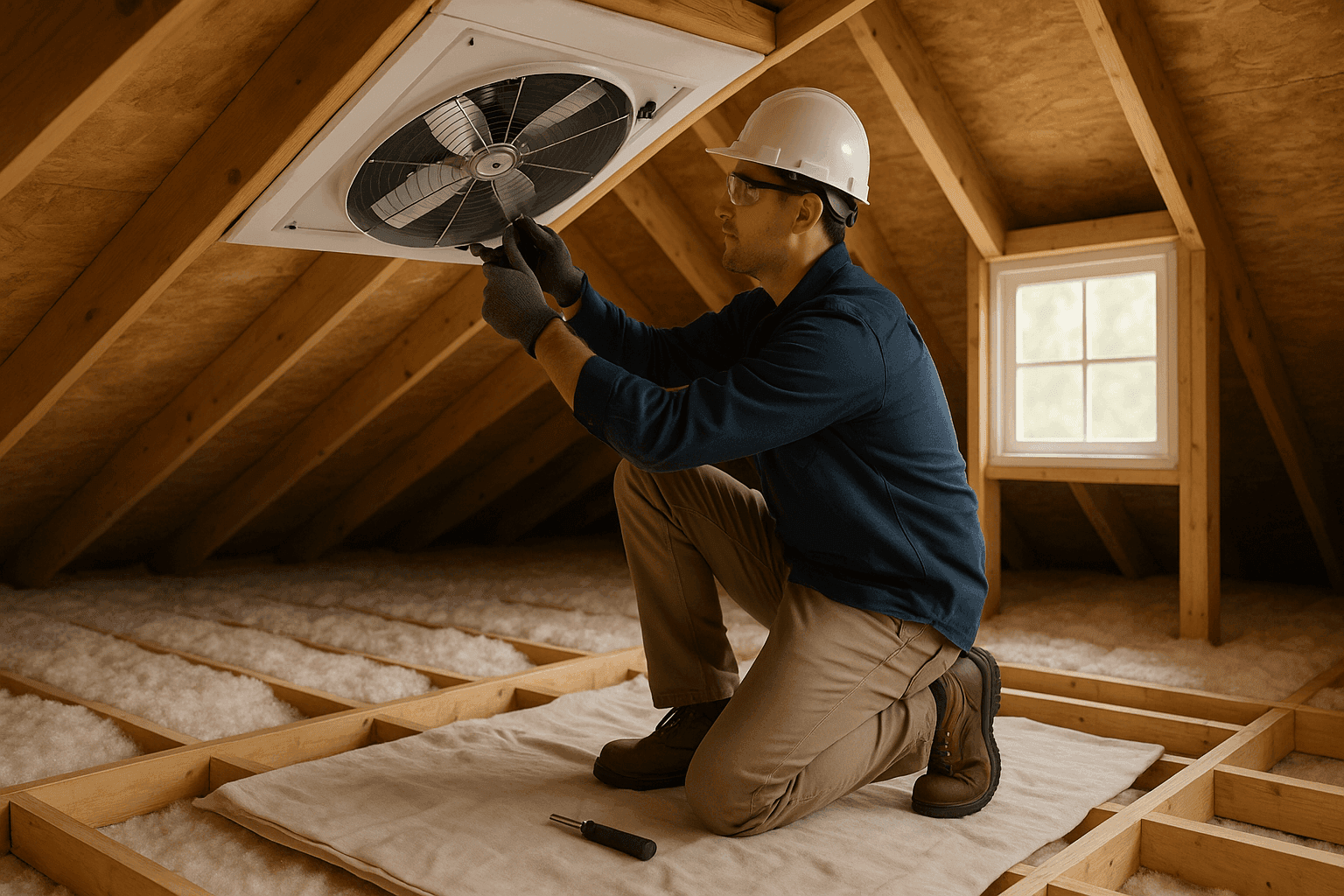
Feeling stuffy at home or in the office? You’re not alone. As summer temperatures climb, the need for reliable, efficient cooling grows urgent. For many, central AC is the first solution that comes to mind. But there’s another option—one that’s surprisingly effective and can save you money: the whole-house fan.
At Von’s Heating & Cooling, we’ve seen firsthand how the right fan, installed and maintained properly, can transform a space. Let’s break down how whole-house fans work, where they shine, and what you should know before flipping the switch.
Why Whole-House Fans? The Scenario
Imagine a summer evening. The sun’s down, but your house is still holding onto the day’s heat, like a brick oven that won’t cool off. That’s where a whole-house fan comes in.
Instead of recycling hot air, these powerful fans pull cooler outside air in through open windows and push hot air up and out through the attic. Think of it as giving your home a deep, refreshing sigh. The result? Faster cooling, lower energy bills, and less wear-and-tear on your central air system.
Where do whole-house fans work best?
- Homes and buildings with good attic ventilation.
- Climates with cool nights and hot days.
- Spaces where energy savings are a priority.
Quick Safety Checklist 🛑
Before you even think about installation or flipping a switch, safety matters most. Here’s what needs to be on your radar:
- Check attic wiring: Old or exposed wires can be a fire hazard.
- Secure attic access: Stable ladders, clear walkways, and no loose boards.
- Proper attic vents: Ensure enough venting to let hot air escape safely.
- Smoke and carbon monoxide detectors: Test before and after installing new fans.
- Clear insulation: Keep loose insulation away from the fan motor and moving parts.
- Follow local codes: Check with your city or county for electrical and building code requirements (International Residential Code is a good resource).
DIY or Call a Pro?
Installing a whole-house fan isn’t just a Saturday afternoon project. It’s more like rewiring a lamp while standing on a ladder—upside down. Sure, handy homeowners can tackle some steps. But the risks are real.
DIY might work for you if:
- You have experience with electrical work and attic installations.
- You own proper safety gear (goggles, gloves, respirator).
- You’re comfortable reading wiring diagrams and local codes.
When to call Von’s Heating & Cooling:
- You want it done safely and up to code.
- Your attic wiring is old or unknown.
- You’re not sure about attic venting or insulation.
- You need advice on the right fan for your home or business.
Mistakes here can cost big—not just in repairs, but in safety and efficiency.
What Pros Do On Arrival
When our technicians arrive, they’re not just there to put a box in your ceiling. Here’s what a professional installation looks like:
- Site survey: We measure attic space, check insulation, and confirm venting.
- System matching: We’ll size the fan for your home—not too big, not too small.
- Electrical safety: All wiring is checked, upgraded if needed, and installed to National Electrical Code standards.
- Sealing and testing: We make sure the fan is airtight and vibration-free.
- Demo and training: We show you how to run your new system for best results.
This process takes the guesswork out and ensures long-lasting, safe performance.
Prevention & Maintenance
A whole-house fan is like a car engine. A little routine care keeps it running strong for years. Here’s how to get the most out of yours:
Monthly:
- Wipe down blades and grill to prevent dust buildup.
- Check for unusual noises or vibrations.
Seasonally:
- Inspect attic vents for blockages.
- Test all switches and controls.
- Look for signs of wear or frayed wiring.
Annually:
- Schedule a professional inspection.
- Lubricate bearings if your model requires it.
Pro tip: Replace filters if your system uses them. For air quality, consider pairing your fan with IAQ testing or an air scrubber—especially if you live near heavy traffic or wildfire zones.
Costs & Time Factors
How does a whole-house fan stack up against traditional AC? In most climates, it’s not a full replacement—but it is a savvy sidekick.
Upfront costs:
- Whole-house fans range from a few hundred to a few thousand dollars, depending on size and features.
- Installation by a pro can add to your initial investment.
Ongoing costs:
- Fans use only a fraction of the electricity that AC units consume.
- Maintenance is minimal compared to central air.
Time to install:
- Most homes see installation finished in a day.
- Larger or older buildings may take longer, especially if attic upgrades are needed.
When It’s an Emergency
Sometimes, a fan isn’t just about comfort. If your AC fails during a heat wave, a whole-house fan can be a literal lifesaver. But beware—fans alone can’t keep up in extreme heat or during poor air quality days (like wildfires or high pollen counts).
If you notice:
- Burning smells from the fan
- Electrical sparks or repeated tripped breakers
- Vibration so strong it rattles the ceiling
—shut the system off immediately and call Von’s Heating & Cooling for 24-hour emergency hvac service.
FAQ: Whole-House Fans
Does a whole-house fan replace AC?
Not fully. Fans work best when outside air is cooler than inside. But they can cut AC use dramatically—saving energy and reducing wear.
How noisy are whole-house fans?
Modern fans are much quieter than older models. Proper sizing, installation, and attic sealing keep sound to a minimum.
Can I use my fan during wildfire smoke or heavy pollen?
No. During poor outdoor air quality days, keep the fan off and windows closed. Consider IAQ testing or air scrubbers to keep indoor air clean.
Will a fan help with humidity?
It can help lower humidity by moving fresh air through your home, but for serious moisture control, pair it with a dehumidifier—especially in basements or humid climates.
Local/Seasonal Considerations 🌦️
Whole-house fans shine in climates with cool nights and dry air. In humid regions, their impact is less dramatic. Use your fan:
- Early mornings and late evenings, when outdoor air is coolest
- With windows cracked in several rooms for even airflow
- Only when outdoor air quality is good
If you’re in an area with frequent wildfires, pollen, or dusty wind, talk to us about indoor air quality solutions alongside your fan.
The Bottom Line: Efficient Cooling, Safer Homes
Whole-house fans can be an energy-smart way to boost comfort at home or at work. Like any hvac solution, they work best when sized, installed, and maintained by professionals who know the ins and outs—like Von’s Heating & Cooling.
Ready to breathe easier?
Call Von's Heating & Cooling now — or reach us anytime at 844-219-0444 .